

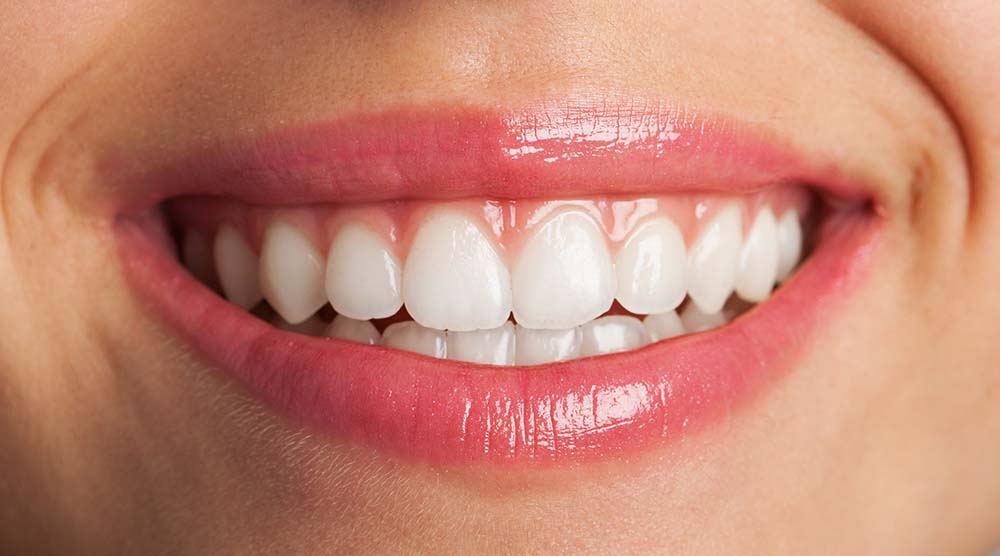
10 Natural Ways to Whiten Teeth in a Healthy Way
A bright, white smile is often associated with good oral health and confidence. However, many commercial whitening treatments contain chemicals that can cause sensitivity and damage tooth enamel. Fortunately, there are natural alternatives to help you achieve whiter teeth without harming your oral health. Here are 10 natural ways to whiten teeth in a healthy way:
1. Brush with Baking Soda
Baking soda has mild abrasive properties that help remove surface stains. It also creates an alkaline environment in the mouth, which helps prevent bacteria growth.
How to use: Mix a teaspoon of baking soda with a few drops of water to form a paste and brush gently for 2 minutes, 2-3 times per week.
2. Use Hydrogen Peroxide
Hydrogen peroxide is a natural bleaching agent that can help whiten teeth.
How to use: Mix equal parts of hydrogen peroxide (3%) and water. Swish for about a minute and rinse thoroughly. Use this method a few times a week to avoid irritation.
3. Oil Pulling with Coconut Oil
Oil pulling removes bacteria and plaque buildup, which can contribute to yellow teeth.
How to use: Swish one tablespoon of coconut oil in your mouth for 15-20 minutes, then spit it out and rinse with water.
4. Eat Crunchy Fruits and Vegetables
Fruits and vegetables like apples, carrots, and celery act as natural toothbrushes, scrubbing away plaque and stains.
Best choices: Apples, strawberries, celery, and carrots.
5. Try Apple Cider Vinegar
Apple cider vinegar has antibacterial properties that help clean teeth and remove stains.
How to use: Dilute apple cider vinegar with water and use it as a mouthwash. Rinse well with water afterward to prevent enamel damage.
6. Use Activated Charcoal
Activated charcoal is highly absorbent and can remove toxins and surface stains from teeth.
How to use: Dip a wet toothbrush into activated charcoal powder and brush gently for 2 minutes. Rinse thoroughly.
7. Drink Plenty of Water
Drinking water helps wash away food particles and prevent staining from beverages like coffee and tea.
Pro tip: Swish water in your mouth after consuming staining foods or drinks.
8. Limit Staining Beverages
Coffee, tea, red wine, and soda can stain your teeth over time.
Solution: Use a straw to minimize contact with your teeth or rinse your mouth with water after drinking them.
9. Use Strawberries and Baking Soda
Strawberries contain malic acid, which can help remove surface stains.
How to use: Mash a ripe strawberry and mix it with baking soda. Apply the mixture to your teeth for a few minutes, then rinse and brush as usual.
10. Maintain Good Oral Hygiene
Brushing twice a day, flossing, and regular dental check-ups are essential for maintaining white, healthy teeth.
Bonus tip: Use a fluoride-free whitening toothpaste with natural ingredients like coconut oil or baking soda.
Final Thoughts
These natural remedies can help brighten your smile while maintaining healthy teeth and gums. However, results may vary, and it’s essential to maintain good oral hygiene and visit your dentist regularly for professional advice.
By incorporating these natural teeth-whitening methods into your routine, you can achieve a brighter smile without harmful chemicals!